


👋 Welcome back
While the triathlon world obsesses over Kristian Blummenfelt’s historic 101.1 VO2 max record, a different kind of suffering is about to begin in the Alps. This week, we’re pivoting from the asphalt to the ice. The Milano-Cortina Winter Games kick off this Friday, and if you think endurance is strictly a summer sport, you haven’t watched a 50km Cross-Country ski or a Biathlon pursuit.
Today, we’re breaking down the "Winter Endurance" metrics you need to watch, alongside the latest elite marathon fields, the viral stats shaking up the pro tri world, and the science of the "Gut Masterclass" on how to safely scale your carb intake to 90g-120g/hr without the mid-race gastro-meltdown.
Strap in—it’s about to get cold.

🏃🏼 Quick splits
👟 Western States was no fluke: Chris Myers reveals how the seeds of his 2025 ultramarathon success were sown when he made the decision to leave Los Angeles and move to Boulder – a switch that changed the course of his career. READ HERE.
🎽 London line-up revealed: This year’s TCS London Marathon elite fields have been announced and both the men’s and women’s races promise incredible showdowns with defending champion Tigst Assefa set to face arch-rivals Sifan Hassan and Peres Jepchirchir, while men’s champion Sabastian Sawe also returns. READ HERE.
💪 Blu in ‘Beast Mode’: If ever we needed further proof that Kristian Blummenfelt means business this year, then it arrived in the form of a subtle – yet incredible – social media post last week suggesting a new world record VO2 max score. READ HERE.
🚴♂️ Champ is back in the saddle: Kiwi T100 World Champion Hayden Wilde returns to competitive action this week after confirming that he will take part in both the time trial and the road race at the New Zealand Road National Championships. READ HERE.
🏁 Race news

The triathlon season moved up a gear at the weekend, with the unique Challenge Sir Bani Yas taking place on a natural island off the coast of Abu Dhabi in the Arabian Gulf.
Athletes race past free-roaming wildlife, including giraffes, antelopes, and gazelles, amid a vibrant race village atmosphere which provided a memorable setting for competitors and spectators – and overlooked by the event’s cruise ship floating hotel.
Impressive performances in both professional races saw Jonas Schomburg (GER) – on his birthday – and Katrine Græsbøll Christensen (DEN) take their respective titles.
🔍 The BIG issue: Winter Olympics endurance
The long winter wait for some meaningful endurance entertainment will come to an end this week as we welcome the start of the 2026 Winter Olympics in Milano-Cortina, Italy.
A sporting extravaganza on snow and ice, this year’s event will once again test the world’s athletes to the very limits of their skills and stamina as they slide, skate, and ski their way to potential gold, silver or bronze.
With the opening ceremony taking place on Friday at the home of Inter and AC Milan, the San Siro, the Daily Split team has been busy trawling through the various events and schedules to highlight the ones we think you will enjoy.
There are the events that have the potential to satisfy your thirst for watching athletes do battle in long-distance, energy-sapping competitions of pure grit, skill, and determination.
Kona, it most certainly is not… but endurance? Well, just you see for yourselves.
In-depth in TEN: 2026 Winter Olympics
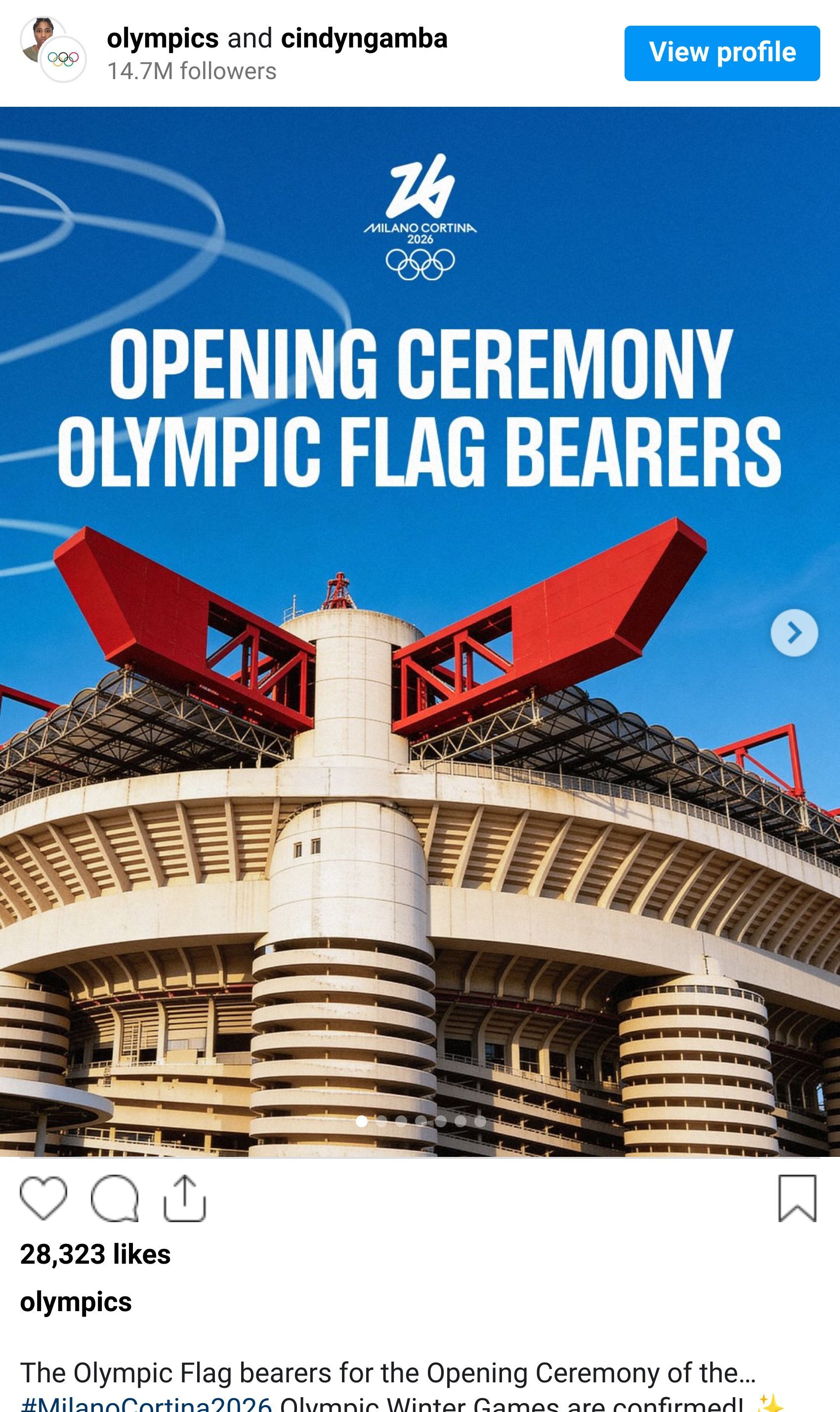
The Winter Olympics gets underway on Friday (February 6) in Milano-Cortina, Italy and is being held in a series of venues around the city of Milan and in the Dolomites mountain range in the Alps. Find out more at the official site HERE.
Kenyan running legend, Eliud Kipchoge, will be among six Olympian flag bearers at the opening ceremony at the San Siro football stadium on Friday. He will be joined by gymnast Rebeca Andrade, cross-country skiier Pita Taufatofua, boxer Cindy Ngamba, short-track speed skater Martina Valcepina, and Olympic legend Franco Nones.
There are 195 events, 245 gold medals up for grabs, and this is understood to be most gender-equal Winter Olympics ever with about 1,300 female athletes taking part.
A new sport introduced at this year’s Games is that of ski mountaineering, or SkiMo, where competitors have to navigate their way up a tricky mountain path before then skiing back down to the finish line. The relay version of this promises to be a very exciting spectacle with teams of one man and one woman competing.
Cross-country skiing is widely considered to be a premier endurance sport, with the athletes requiring incredible stamina to navigate the snow-covered terrain using both the classic and freestyle techniques. The women’s 10km Skiathlon Final is on Saturday, with the men’s event on Sunday. Full schedule details can be found HERE.
Biathlon combines the intensity of high-speed cross-country skiing with the precision of rifle shooting. The women will race 15km and the men cover 20km, stopping four times to shoot at five separate targets, only using one shot for each. Missing a target means they incur a one-minute penalty. Full schedule details can be found HERE.
Nordic combined features a unique blend of a ski jumping competition followed by a 10km cross-country ski race, combining technique with endurance. Full schedule details can be found HERE.
Long-track speed skating is held over five distances of 500m, 1,000m, 3,000m, 5,000m and 10,000m and takes place on a different rink to the short-track event longer straightaways and wider curves. There are no heats, semi-finals or finals, just a single round in which competitors try to obtain the best time. Full schedule details can be found HERE.
Norway has won the most medals of any nation at the Winter Olympics since it was first held in 1924, with 148 gold, 134 silver, and 123 bronze – a total of 405 medals from 24 Games. The USA are second with 330.
Only eight nations have finished on top of the medals table, with two of those now regarded as defunct nations, with the Soviet Union and East Germany joined by Norway, USA, Sweden, Germany, Russia and Canada.
👩💻 Trending in triathlon
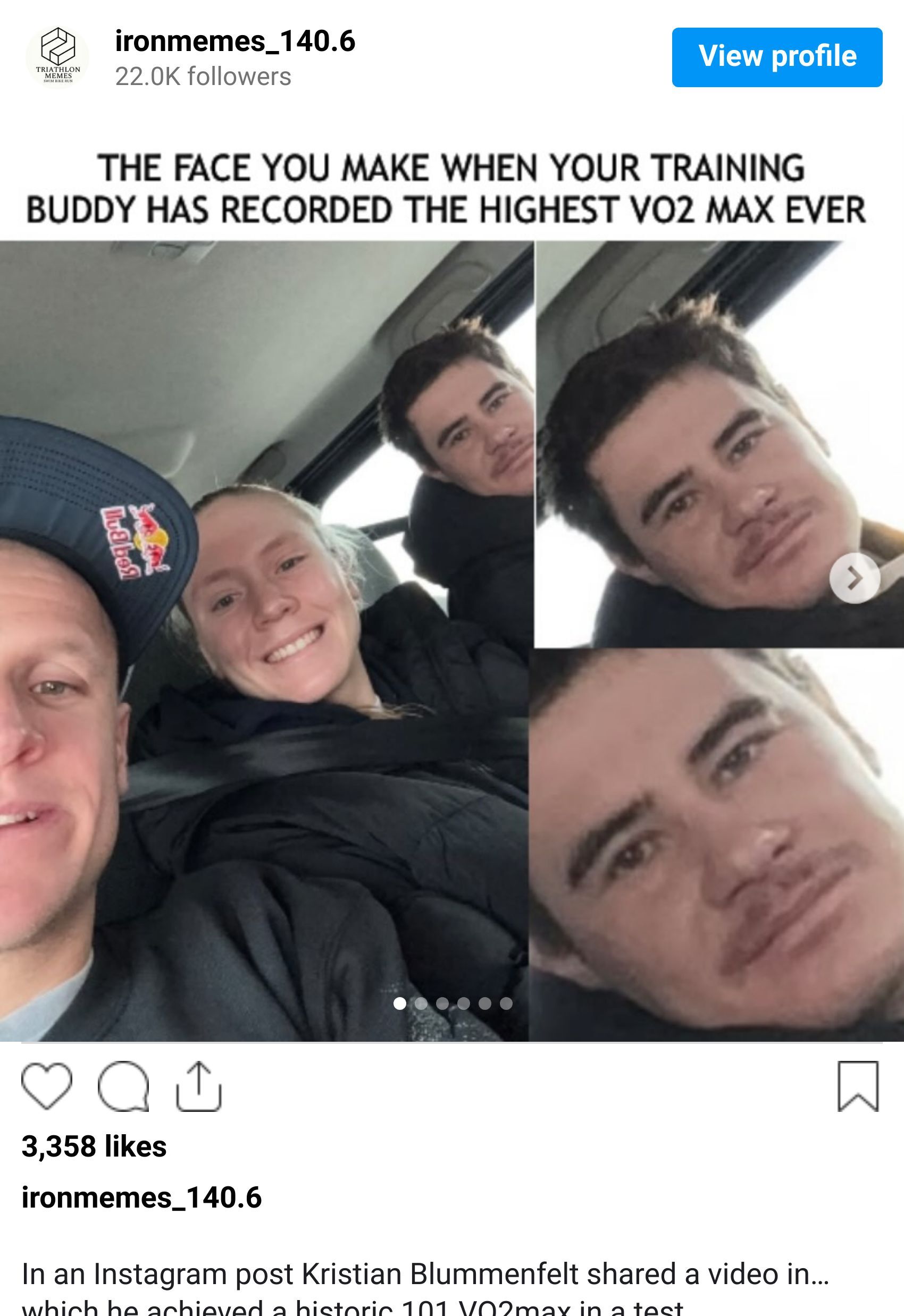
Today’s comes from ironmemes_140.6, one of the funniest triathlon accounts currently on Instagram. The post below comes from the batch of images that Kristian Blummenfelt issued last week… you know, the ones where he just happened to slip in that he had achieved a VO2 max score of 101.1!!!
However, rather than focus on that seemingly historic image, they instead pick one where Big Blue is pictured in a car with fellow Norwegians Solveig Lovseth and Gustav Iden, with the focus very much on Iden’s stern look and the header stating ‘The face you make when your training buddy has recorded the highest VO2 max ever’.
We are sure Gustav was very pleased for his mate really… no, honest he was!!!
📅 This week on 247Endurance
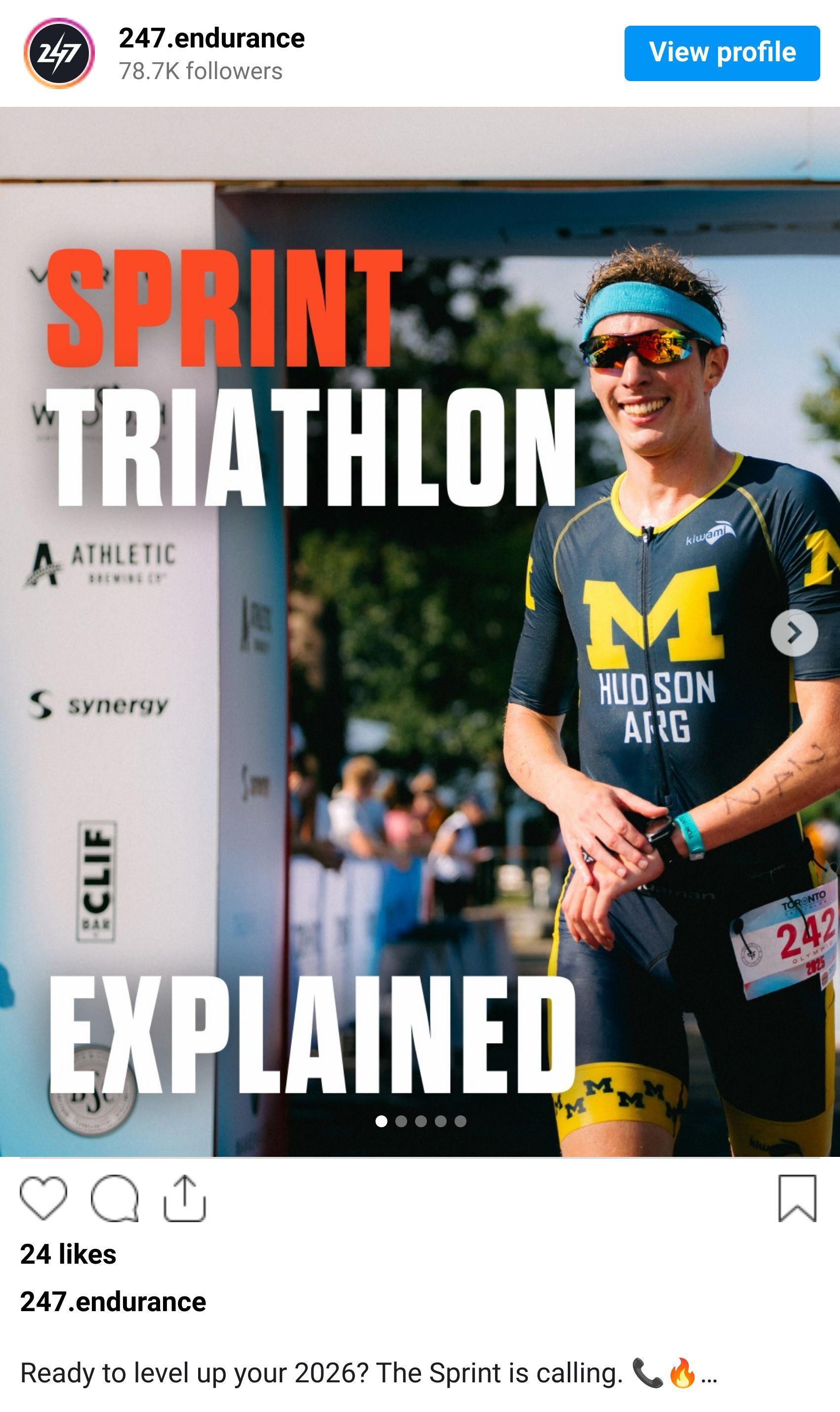
In today’s edition of the Daily Split, our social media expert Emily Bell takes a look at the sprint triathlon, an event she describes as being ‘long enough to be a massive achievement, but short enough that you’ll still be home in time for brunch’.
⏱️ Coaches corner: Nutrition Q&A
If you want to run further, faster – or both. You’ve got to train smart and stay consistent. But doing that isn’t just as simple as lacing up your running shoes. Fuelling your body and getting your nutrition in check is a vital piece of the puzzle.
RUN247 reporter, Jenny Lucas-Hill, spoke to expert sports nutritionist Dr Stefano Montanari from Total Endurance Nutrition to get his advice on how to fuel your run training. From what to eat before sessions and how to fuel during your longer runs – to what to prioritise post-workout to optimise your recovery.
Here are the seven key tips that he gave when it comes to nutrition and running.
Question 1: When fitting in an early morning run workout, it can be difficult to have the time (or the inclination) to have anything to eat beforehand. So is it okay to train ‘fasted’ (without any breakfast or any snacks) or should we always be trying to fuel up first?
Dr Stefano says: “Before answering this question, you should ask yourself – what is the goal of your morning session?” Dr Stefano Montanari explains. “If you are going to train at low intensities to improve your engine and rely more on fat as a form of energy, then you can do your early morning session fasted.”
“But if your session is going to be moderate to high intensity/longer than an hour then you should consider having a carbohydrate rich breakfast first. For example, porridge with a banana and some honey. Or at least have a carbohydrate rich snack before heading out, like a slice of toast or a banana. This will allow you to maintain session quality and get the most out of your session!”

Ensuring that you are fuelled properly before both training, or race day, is essential.
Question 2: What is RED-S, and is under-fuelling a contributory factor?
Dr Stefano says: “Relative Energy Deficiency in Sport (RED-S) is a common issue among endurance athletes, where chronic under-fuelling can lead to hormonal imbalances that hinder recovery, training adaptation, health, and performance. Female athletes are more susceptible to RED-S which can severely impact the production of oestrogen and progesterone, key hormones that have a profound impact on several physiological functions (from cardiovascular function to bone metabolism) as well as ensuring a regular menstrual cycle.”
Question 3: Is it possible to train your gut to deal with race-day GI issues and the usage of energy gels?
Dr Stefano says: “If you are a few months out from a competition, consuming foods ahead of training (and during) will help you train your gut so during your race day your stomach will be more comfortable digesting food while on the move.
“It might be tempting to save your energy gels for race day. But getting used to taking on nutrition during your longer runs is an important part of your training. Not only will this help you to make sure you can complete your longer runs with good quality, while also managing your overall daily energy intake. It’ll also help to train your gut to get used to taking on fuel during activity, and it gives you the opportunity to test out different fuelling options to find out what works best for you.”

Train your gut to deal with certain foods or gels during practice runs before taking on the big race day.
Question 4: How much carbohydrate should I take during my long runs – and what type?
Dr Stefano says: “The amount of carbohydrates you are aiming to consume per hour during a session will dictate the ‘best’ form of carbs. Sessions lasting 1-2.5 hours may need between 30-60g per hour of carbs. In this case, simple forms of carbohydrate such as maltodextrin, glucose and glucose syrup will be perfectly fine to fuel your sessions.
“For sessions lasting longer than 2.5 hours, you want to start consuming both glucose and fructose. This is because our gut has a limited capacity to absorb glucose – no more than 60 grams per hour.
“During exercise lasting more than 2.5 hours, you are looking to exceed this threshold for effective fuelling. Ideally aiming to reach approximately 90g/h. Therefore adding fructose is essential to provide an extra source of energy that can be absorbed by a different mechanism.
“A 2:1 ratio of glucose to fructose is often used in sports drinks and gels, which will be ideal if you are aiming to take in 90g/h. However, if you plan to push your intake to 110-120g/h or higher – some evidence suggests that a 1:1 or 1:0.8 ratio could enable your body to oxidise even more carbohydrates compared to the 2:1 ratio.”

Question 5: But what if I really don’t like energy gels? Is there an alternative?
Dr Stefano says: “Options like energy bars, granola bars, dried fruit, sweets, chews or rice cakes provide carbohydrates in a solid form. For some athletes these can be easier to digest. Bananas are a great whole-food option for quick energy – and a medium banana provides around 20 to 30 grams of carbs.
“Homemade energy balls made with oats, honey and nut butter can be a tasty and customisable alternative to gels, too. And I would still recommend bringing a water bottle with added electrolytes to keep you hydrated, especially during long workouts.”
Question 6: And what about after my run? What should I be eating?
Dr Stefano says: “After a workout, protein helps repair muscle and carbohydrates replenish glycogen stores – so both are important for recovery. While the fitness industry still often promotes that protein consumption is a must immediately following a workout. Current evidence suggests that we actually have more time to get our recovery meal or snack, as the body is primed to receive the nutrients for several hours post exercise. Ideally we should aim for protein to be consumed at regular intervals throughout the day. However, the carbohydrate intake post-workout is much more important.”
Question 7: So what would you suggest as the ideal post-work out meal?
Dr Stefano says: “Lean protein (eg chicken or tofu) with whole grains or fruit to support muscle repair and energy recovery.”
Where do you place nutrition in respect of your endurance preparation priorities?
💪 The outer edge of endurance
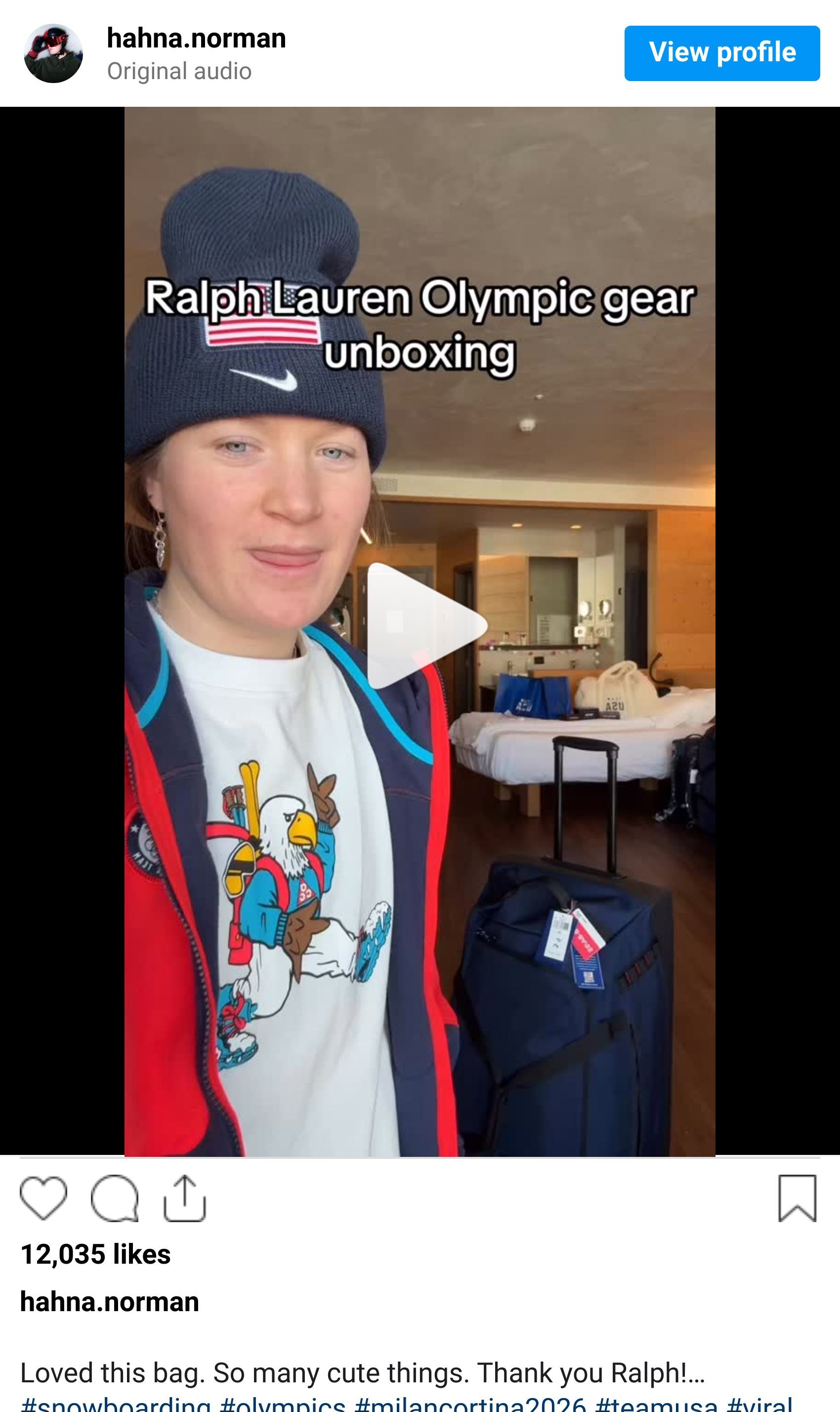
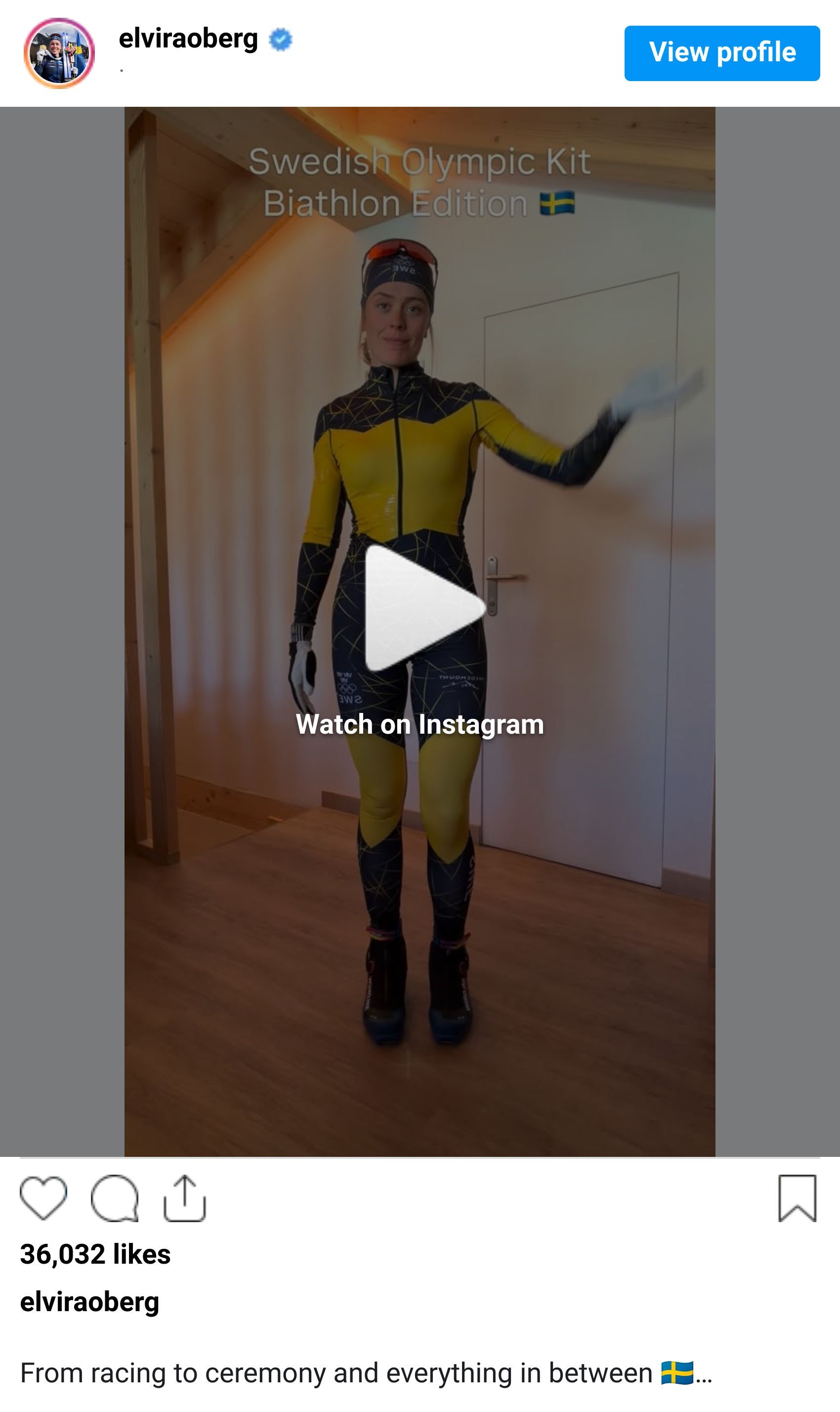
We all like a swag bag… isn’t it one of the best things about signing up for an IRONMAN??? So imagine what kind of kit the athletes are getting at the Winter Olympics this week? Well, there is no actual need to imagine, because we are rounding off our Olympic-themed newsletter today with a quick look at some of the kits and gear which will be worn by those nations bidding to be the kings and queens of ice and snow.
Which country do you think wins the gold medal for style this year?





And finally…
We can’t leave this week without saying a huge congratulations to WTCS World Champion Matt Hauser and his new fiance Georgia Humphreys who announced their engagement over the weekend. Everyone here at the Daily Split would like to pass on their congratulations to the lovely couple. 💍 🤵👰♀️


Every athlete has a story worth telling. Whether it’s your first sprint triathlon, a comeback from injury, a breakthrough race, or the quiet consistency that keeps you showing up – we want to hear it. We regularly feature athletes from the 247Endurance community in The Daily Split to spotlight real journeys, lessons learned, and moments that matter. We can’t wait to hear from you!
What did you think of today's email?
That’s your Split. Until Next Time
Together, we go the distance. — @247_endurance 🏃♂️🚴♀️🏊♂️